
Landscaping Design in Clifton Park, NY: Plan an Outdoor Space That Works All Season
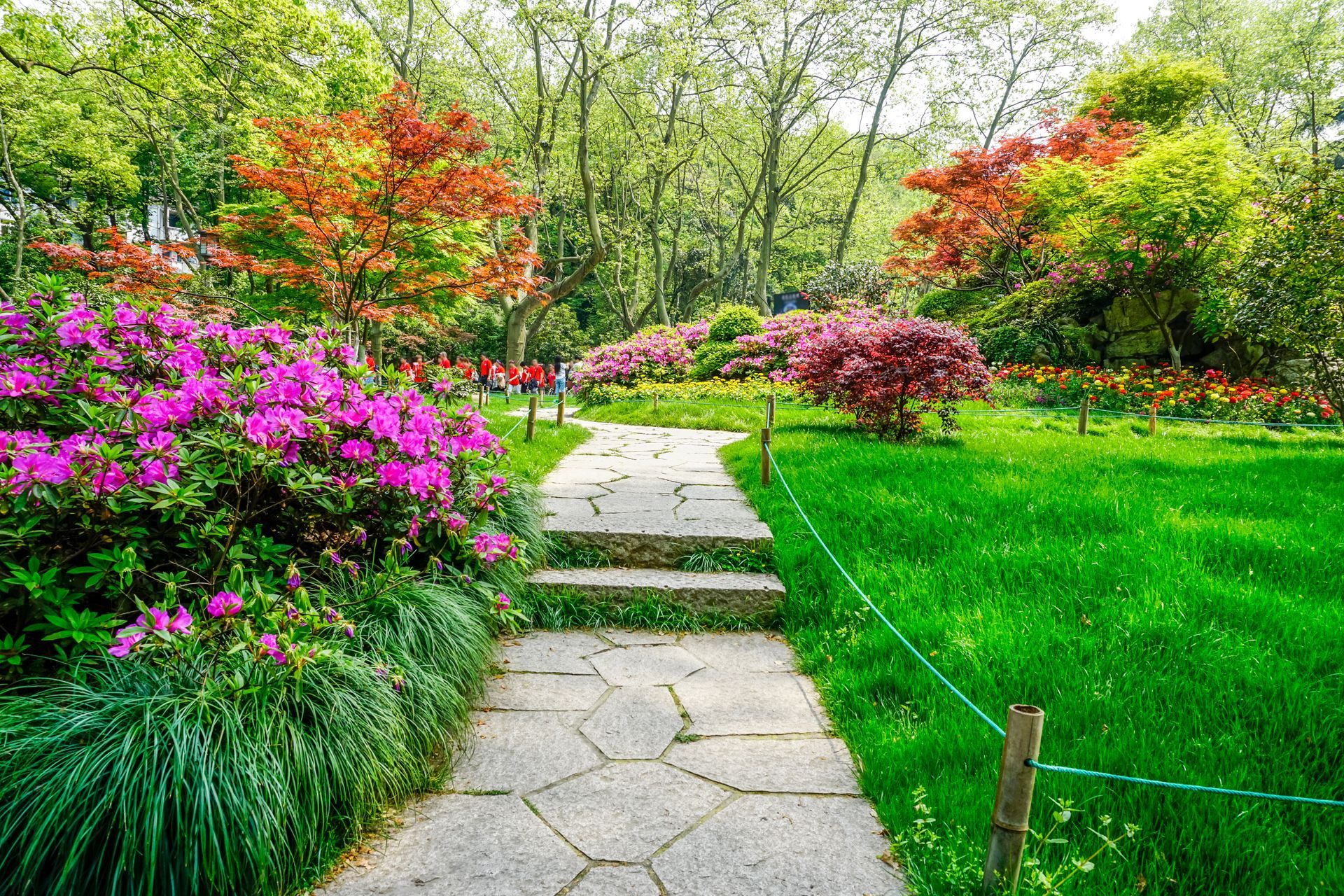
Good landscaping starts before the first plant goes into the ground. A successful design has to work with the property, the home, and the way the outdoor space will be used. For a homeowner looking for landscaping design Clifton Park NY, that means thinking about drainage, sunlight, plant growth, outdoor living, privacy, and maintenance rather than choosing features one at a time.
Clifton Park properties can have very different layouts, from open lawns to established yards with mature trees, slopes, gardens, and existing hardscaping. A design that works on one property may not work on another. That is why a site-specific plan is often the most useful starting point.
What Should a Landscape Design Consider?
Before selecting plants or installing a patio, look at how the property behaves. Where does water collect after rain? Which areas receive full sun and which remain shaded? Where do people naturally walk from the house to the driveway, patio, or yard? Are there existing trees or structures that need to remain?
A thoughtful landscape plan can account for:
- Property size, grading, and layout
- Sun and shade patterns
- Soil and drainage conditions
- Existing trees and plants
- Walkways and access points
- Privacy requirements
- Outdoor entertaining or seating areas
- Expected maintenance
- The mature size of proposed plants
These details matter because landscape elements affect one another. A planting bed can change how a space is used, a walkway can influence circulation, and poorly considered grading can create water-management problems.
Design Around How You Use Your Yard
Landscape design should solve a real need. If the backyard is where your family eats outside, the design should create a comfortable connection between the house, patio, and seating area. If privacy is the priority, planting can be arranged to screen selected views without making the entire yard feel enclosed.
For a property used mostly for relaxation, a smaller seating area surrounded by thoughtful planting may make more sense than filling the yard with features. A family that needs room for play may want to preserve an open lawn and place gardens around its edges.
This is where landscape design in Clifton Park, NY becomes more than decorative planting. The layout should make the property easier and more enjoyable to use.
Drainage Should Be Part of the Design
Water management deserves attention before landscape installation begins. Low areas, slopes, compacted soil, and poorly placed planting beds can influence where water moves across a property.
For that reason, drainage should not be treated as an afterthought. A landscape plan may need to work around existing drainage patterns or incorporate appropriate solutions where water is creating a problem. Clifton Park planning materials also show that landscaping and stormwater considerations can be connected in site planning, including vegetation associated with bioretention areas.
For homeowners, the practical lesson is simple: understand where water goes before investing in a new planting bed, patio, retaining wall, or other landscape feature.
Choose Plants for the Space, Not Just the Look
Plant selection is one of the easiest places to make a mistake. A shrub may look ideal when it is small but become difficult to manage once it reaches its mature size. The amount of sunlight, soil conditions, available growing room, and maintenance requirements also affect whether a plant is a good fit.
Instead of choosing plants solely by appearance, consider what the planting will look like several seasons from now. Layering trees, shrubs, perennials, and ground-level planting can create more visual depth while giving each plant an appropriate role in the design.
For privacy, for example, the goal may be to create screening at a particular height. For a foundation bed, the priority may be maintaining appropriate space around the house while adding seasonal interest. The right plant palette depends on the purpose of the area.
Create Outdoor Areas That Connect Naturally
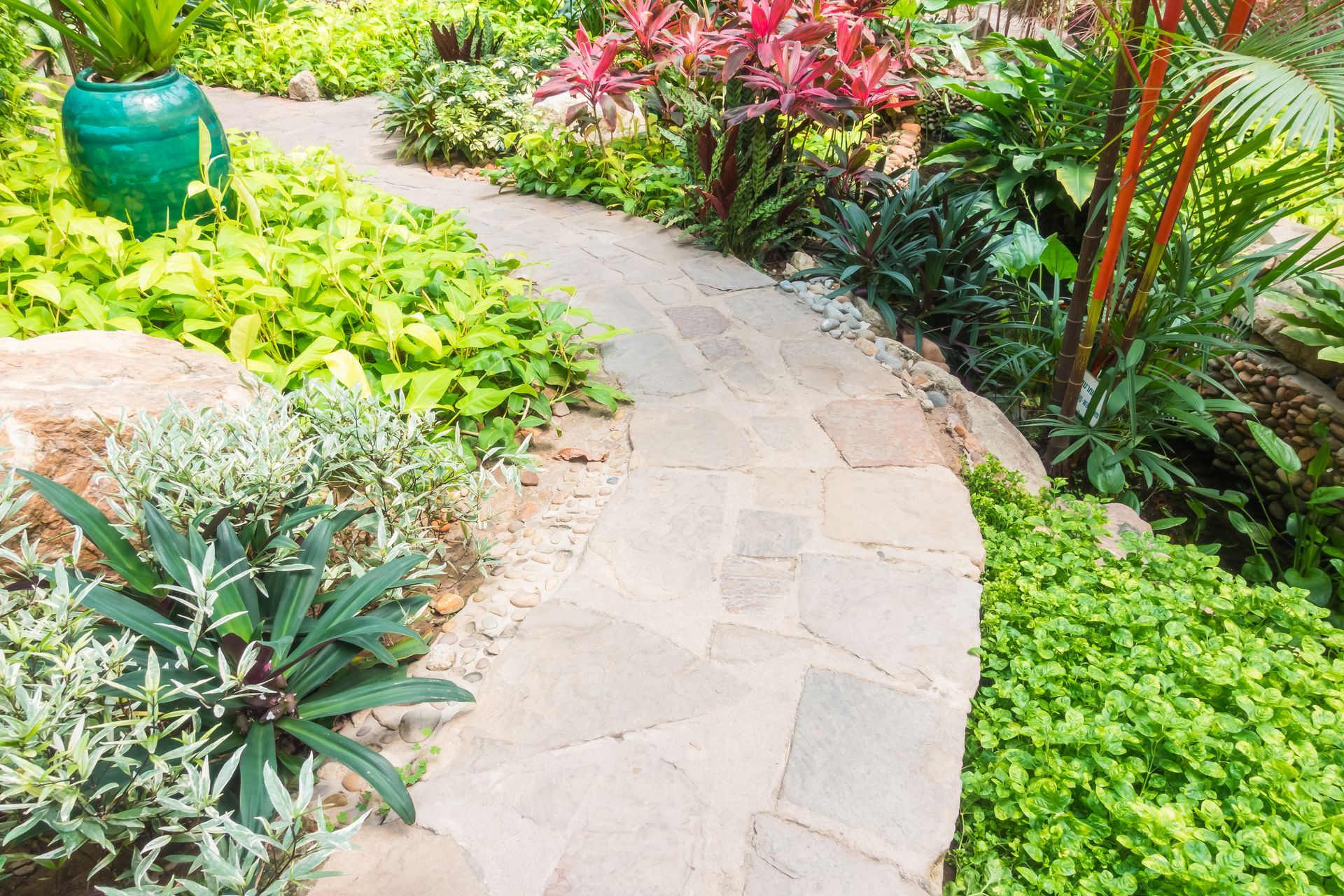
Hardscaping and planting should feel like parts of the same landscape. A walkway should lead somewhere useful. A patio should have a logical relationship to the home. Planting can soften the edges of hard surfaces and help separate one outdoor area from another.
Depending on the property, a residential landscape design may bring together:
- Patios and outdoor seating areas
- Walkways and garden paths
- Planting beds
- Trees and shrubs
- Privacy screening
- Retaining walls
- Lawn areas
- Decorative landscape features
The objective is not to include every possible feature. It is to select the elements that support the property's layout and the homeowner's priorities.
Plan for Maintenance Before Installation
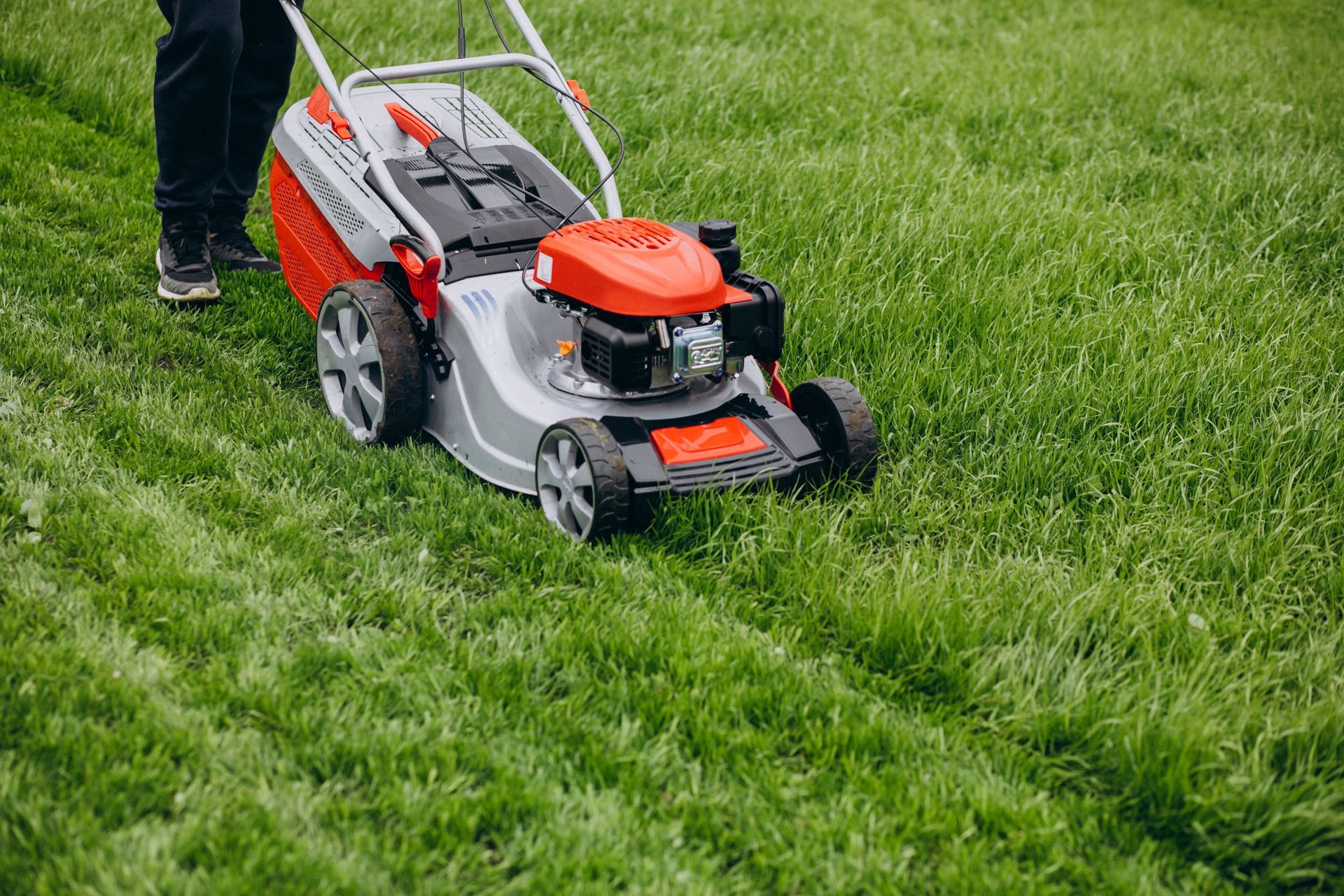
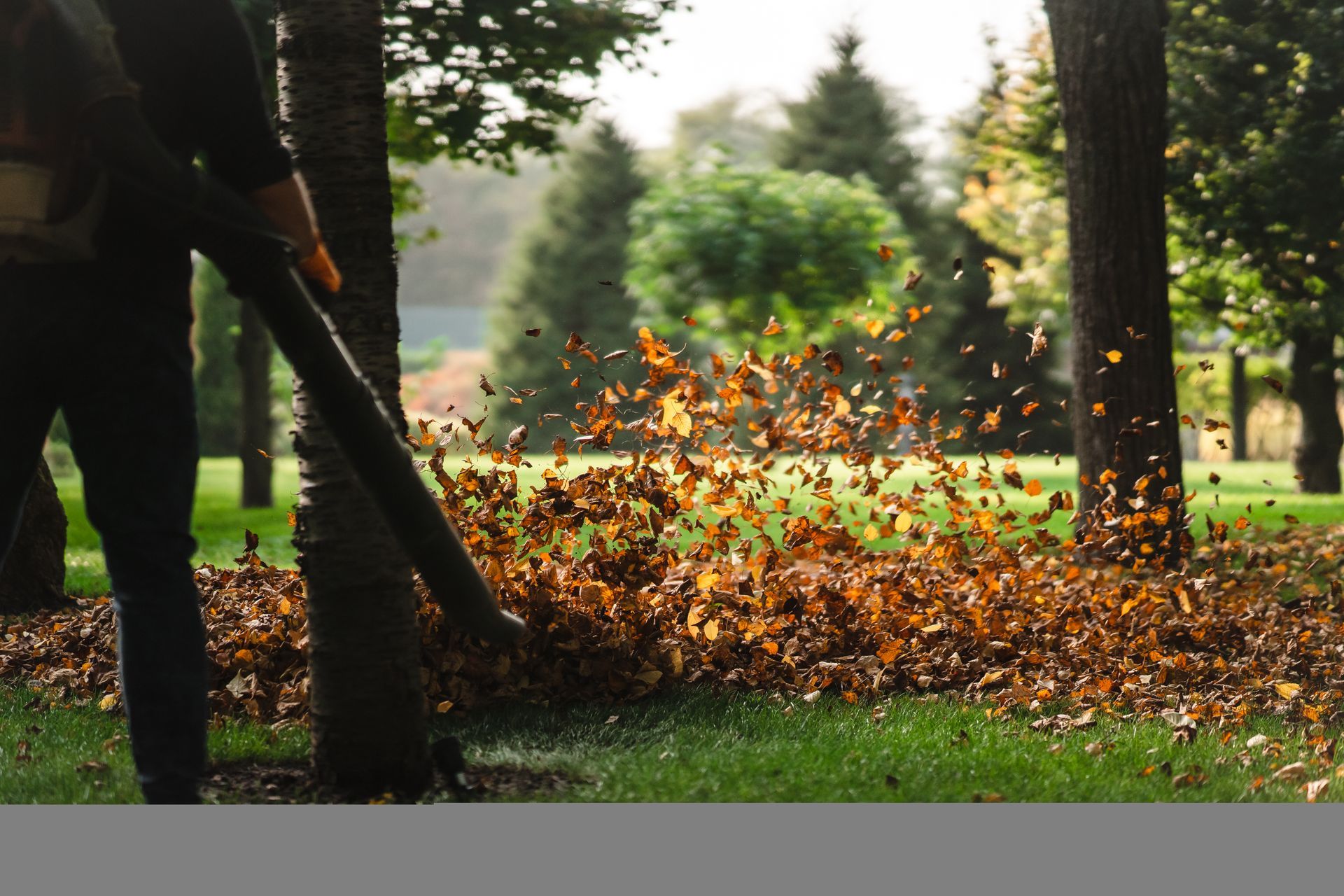
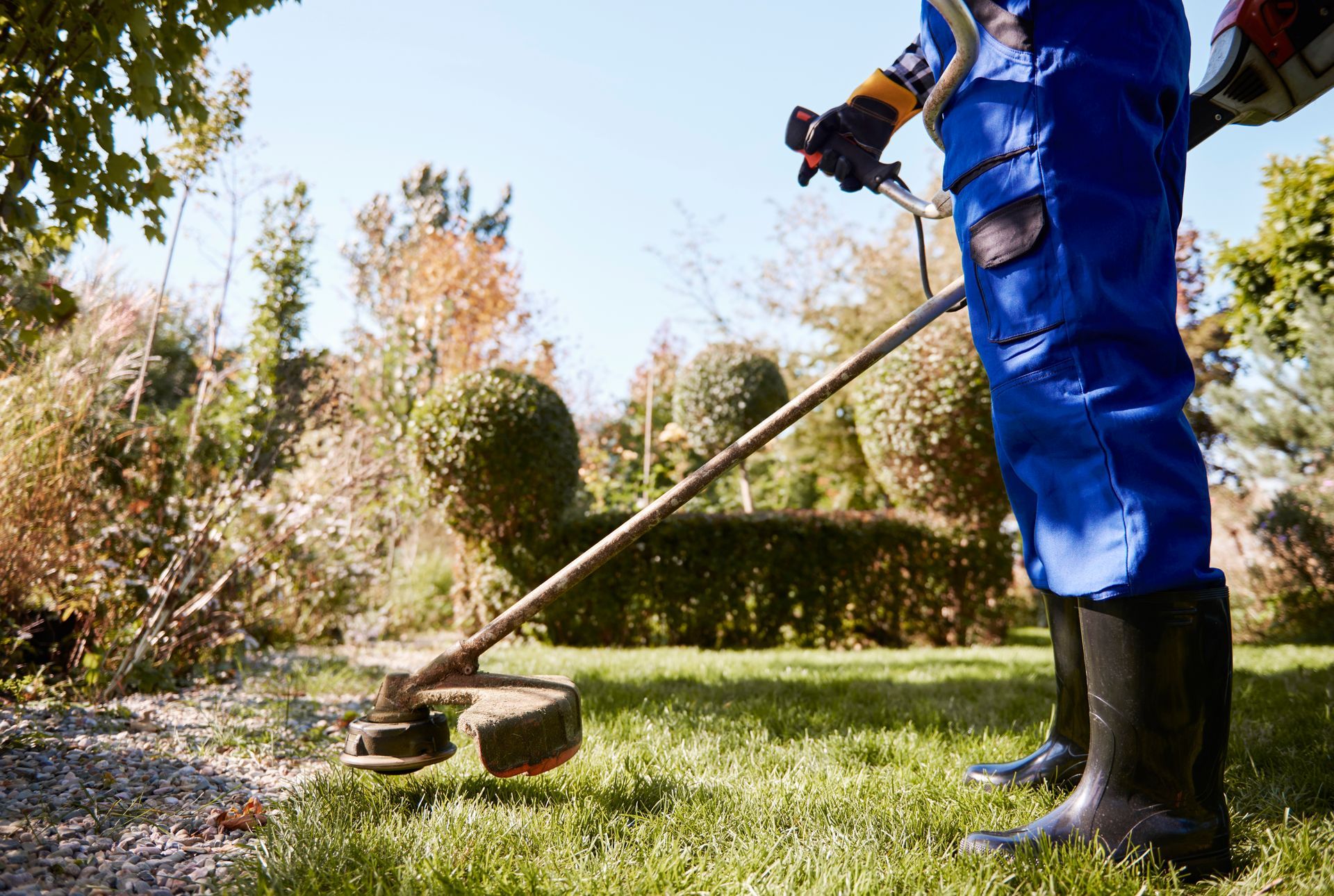
A landscape can look impressive immediately after installation and become frustrating if it demands more upkeep than the homeowner expected. Before finalizing the design, think honestly about the time available for mowing, pruning, watering, weeding, mulching, and seasonal cleanup.
Low-maintenance does not mean maintenance-free. It means the design and plant selection are planned around a realistic level of care. Fewer, better-planned planting areas may be easier to maintain than numerous small beds scattered throughout the property.
What to Discuss With a Landscape Designer
Before starting a landscaping project, prepare a short list of priorities. Tell the designer how you use the yard, what you like or dislike about the current layout, which areas need more privacy, and how much maintenance you are comfortable handling.
It is also useful to discuss drainage concerns, existing trees you want to preserve, desired outdoor living areas, and your approximate project priorities. These conversations can help turn a general idea such as “I want a better backyard” into a workable landscape plan.
Build a Landscape Plan Around Your Property
The strongest landscape designs are not simply collections of attractive plants and features. They consider how the property functions now and how the landscape will develop over time.
If you are researching landscaping design Clifton Park NY, start with the property itself: its layout, light, drainage, existing vegetation, intended use, and maintenance requirements. A site-specific plan can then bring those factors together into an outdoor space that looks intentional and works for everyday life.